What Actually Makes a Muscle Car
It is not just a big engine. The definition is narrower than most people think, and the boundaries are worth arguing about.
Read itShipping, duty, IVA and registration: what it actually costs to bring a car over, and where people get caught out.
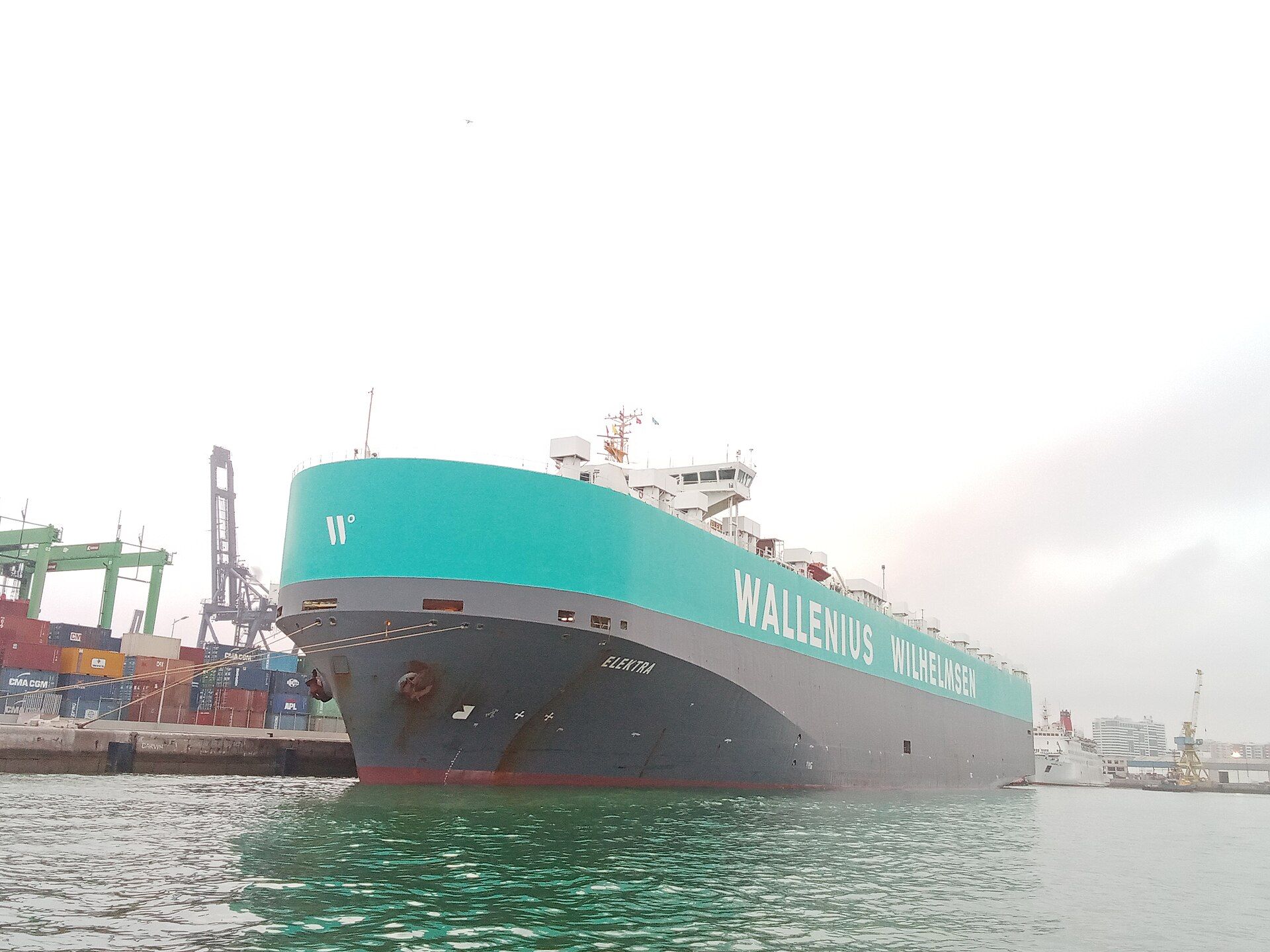 Car carrier ship in port · Farid mernissi · CC BY 4.0
Buying stateside looks cheap until the paperwork starts. Here is the honest arithmetic.
Shipping runs from around 1,200 pounds for a shared container from the east coast to roughly 2,500 pounds for a dedicated container from California. Roll-on roll-off is cheaper but leaves your car on an open deck, which we do not recommend for anything with fresh paint.
Duty and VAT is where the surprises live. A vehicle over thirty years old, in original specification and of historic interest can qualify for the reduced rate: five per cent VAT and no duty under commodity code 9705. Anything newer attracts ten per cent duty plus twenty per cent VAT on the total landed cost, including the shipping.
Registration for a pre-1980 car is straightforward: a NOVA entry within fourteen days of arrival, then a V55/5 to the DVLA with proof of age and the customs paperwork. Newer cars need Individual Vehicle Approval, and that is where headlamp beam pattern, rear fog lamps and the speedometer all become your problem.
Budget realistically. On a 60,000 dollar car you should expect to be around 8,000 to 12,000 pounds in from purchase price to a UK number plate. Every car we sell has already been through this process.
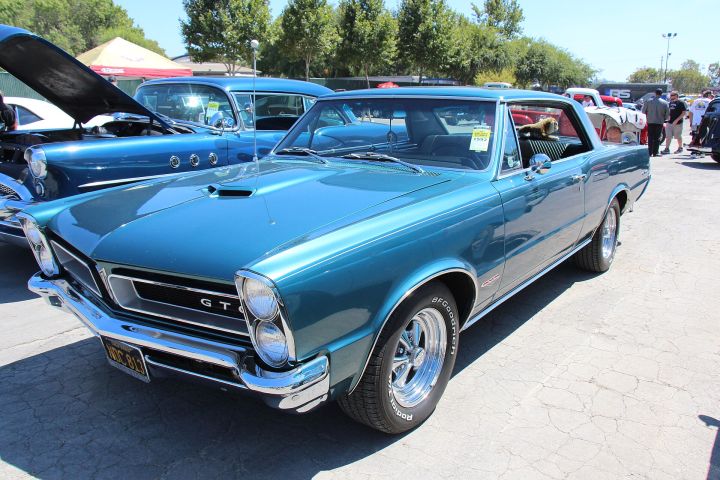
It is not just a big engine. The definition is narrower than most people think, and the boundaries are worth arguing about.
Read it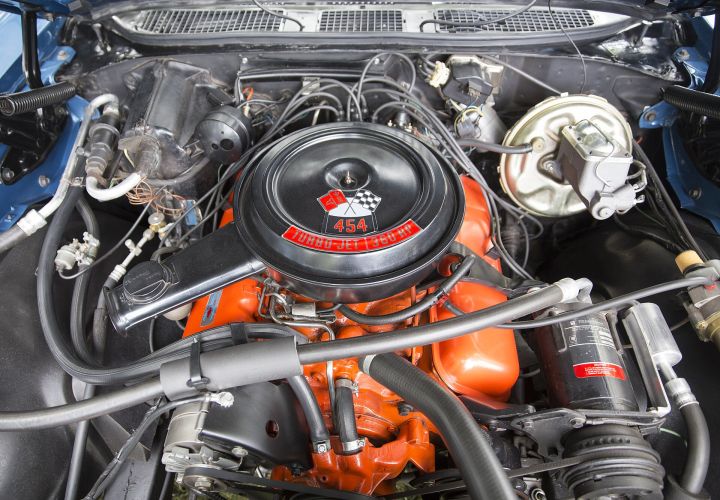
Narrow lanes, damp winters and unleaded fuel. Six things worth knowing before your first British summer.
Read it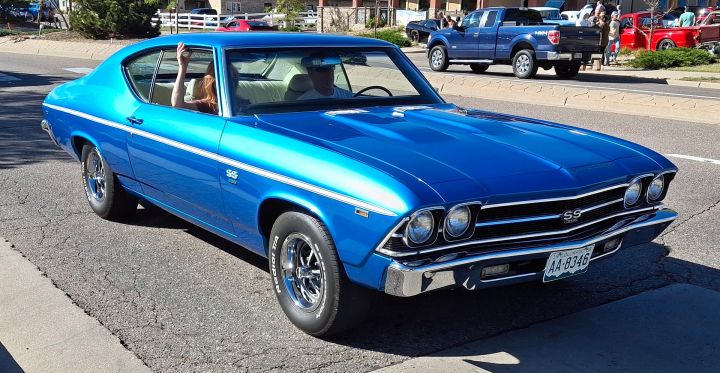
Fender tags, broadcast sheets, Marti Reports and PHS documentation. How to verify a car is what the advert says.
Read it